
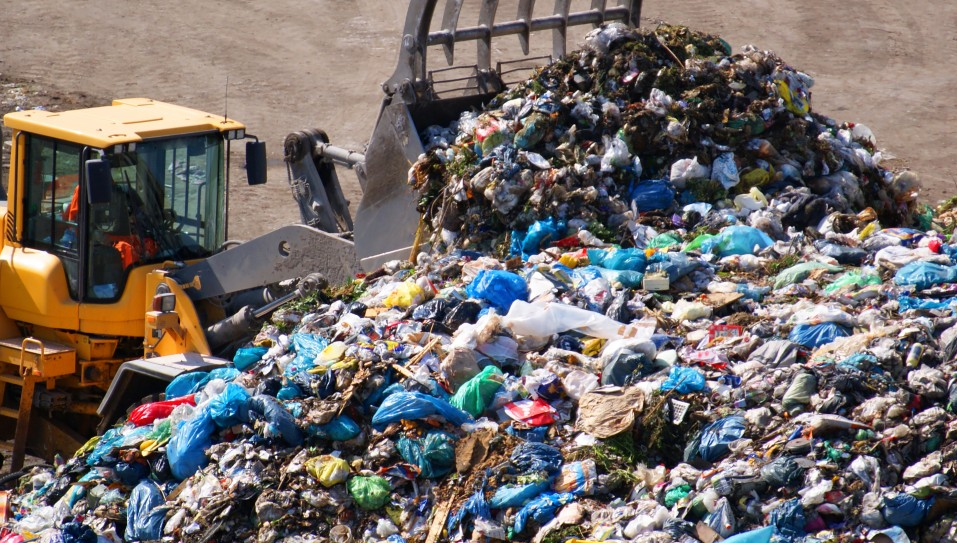
Our commercially proven and environmentally friendly technology is designed to accept a wide range of solid waste, including household, commercial, and light industrial waste. Unlike other waste-to-fuel technologies on the market, our gasification and Fischer-Tropsch process converts this waste into sustainable aviation fuel with zero air pollution emissions — making it significantly safer for surrounding communities than conventional waste-to-energy alternatives.
Around 12,710 tonnes of solid waste is generated every day in Ghana, and municipal and industrial waste management are both massive and accelerating challenges globally. With rapid population growth and urbanization, annual waste generation is expected to increase by 73 percent from 2020 levels to 3.88 billion tonnes by 2050, according to World Bank estimates. Addressing the health and environmental effects of municipal solid waste requires effective and integrated waste management systems that respond to the complex demands of growing cities.
Our Ghana facility, located in the Tema Industrial Area of Greater Accra, is designed to process 2,000 tonnes of municipal solid waste per day, drawing on the waste streams generated across one of West Africa’s largest and fastest-growing urban centers. Ghana’s rapid urbanization means municipal solid waste volumes are substantial and consistently growing — providing the scale and reliability our facility requires to operate at capacity over its full operating life.
Municipal solid waste in the Greater Accra region is diverse in composition — spanning household, commercial, and light industrial waste streams — which supports the feedstock consistency our gasification process is engineered to handle. Ghana has also made significant strides in developing national solid waste management policy and infrastructure, creating an increasingly structured environment for waste sourcing, segregation, and supply.
By converting this waste into sustainable aviation fuel rather than sending it to landfill, our Ghana project turns a persistent urban management challenge into a long-term, revenue-generating environmental solution — a model with potential to scale across other rapidly urbanizing regions in Africa.